
The city of Iquitos, connected to the rest of the world only by air and via the Amazon River, is the capital of Loreto, the largest region in Peru, located 3646 km from the Atlantic Ocean and 1859 km from Lima. Seemingly remote, this city and its surroundings make up one of the most important tourist attractions in the region.
Founded by Jesuits in 1757 under the name San Pablo de los Napeanos, Iquitos was the first river port on the Amazon, the starting point for the evangelizers who began converting the indigenous populations of the area.
A protagonist of the rubber boom era, the city of Iquitos and its river port gained international fame in the early 20th century, which led to the establishment of numerous foreign companies and the presence of European immigrants. The wealth of that era can still be seen in some of the buildings that define the city.
Surrounded by the best-preserved forests thanks to its geographic isolation, the Iquitos region shows characteristics typical of the Amazon ecosystem and is home to native indigenous peoples such as the Bora and the Yagua, who live mainly along the riverbanks.
Tourist Attractions
The City
In the heart of the city of Iquitos, notable landmarks include the Main Church built next to the Plaza de Armas, which features the Obelisk, a monument erected in honor of the Loreto heroes of the war with Chile in 1879. Another important monument is the former Hotel Palace, a three-story art nouveau building considered the best and most luxurious in the entire Peruvian Amazon. Its construction cost about 40 thousand pounds of gold and it was the main lodging center during the rubber era.
It is also possible to visit the wonderful Iron House, a structure designed by Gustave Eiffel, which was purchased in Paris in 1889 to be brought to Iquitos, where it was reassembled.

Tarapacá Boardwalk
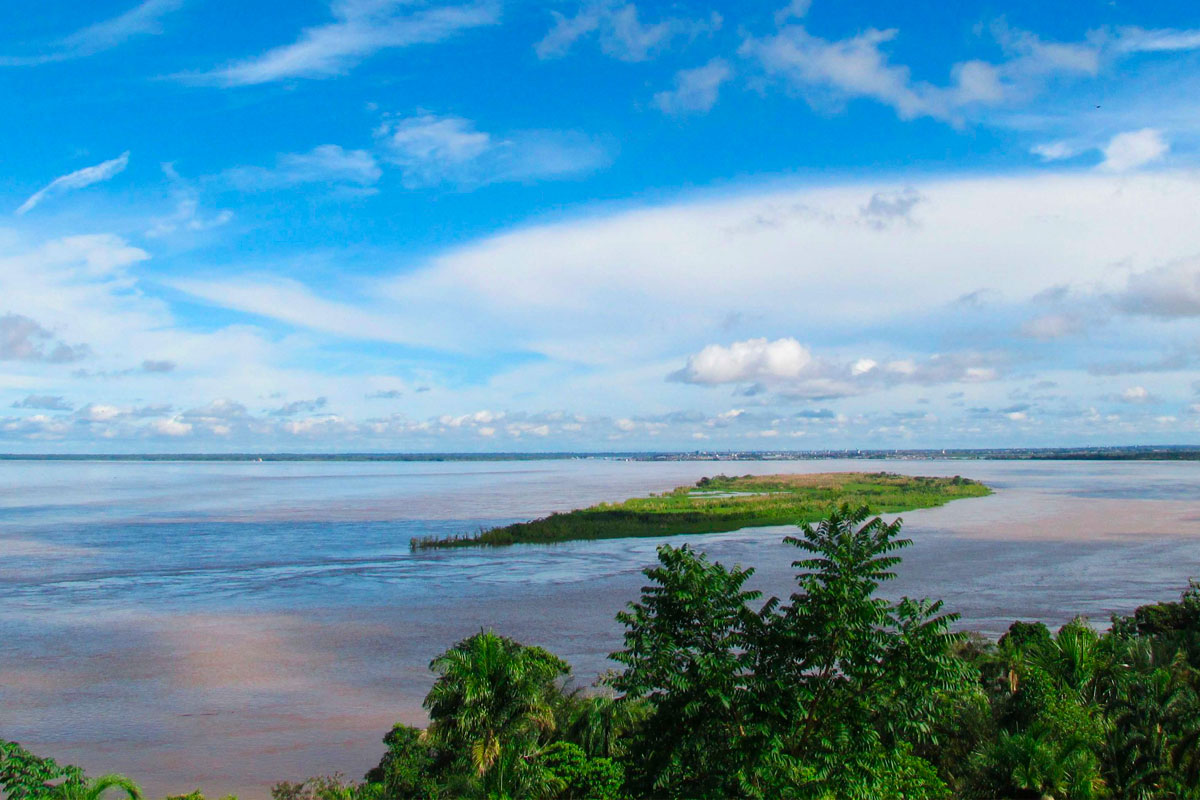
Located facing the imposing Amazon River, its construction began during the rubber era, toward the end of the 19th century. It serves as a natural viewpoint over the river landscape and surrounding nature.
Amazon Museum
Presents a display of the different ethnic groups of the Amazon basin. It also exhibits photographs of Iquitos from the early 20th century, a golden era for the region.
Belen Market and Port
The market is the most important supply center, since it is there that the main food products of the region are sold. The Port of Belen, located on the banks of the Itaya River, is known as the “Venice of Loreto,” since it becomes a floating neighborhood when water levels rise. Almost all the houses are built with materials typical of the region and rest on balsa wood bases that keep them afloat.
Amazon River
The Amazon, an immense and legendary river, has the largest flow in the world. There are conflicting figures about its length, estimated at approximately 6,762 kilometers to its mouth in the Atlantic. The Amazon River is navigable by vessels of all sizes; its course winds and its bed is very deep, reaching up to 240 meters at some points.
Pacaya Samiria National Reserve
Located in the confluence area of the Marañón and Ucayali rivers, it is the largest reserve in the country, covering 2,080,000 hectares, and the fourth largest in South America. It was established in 1982 to conserve the abundant and varied wildlife. Its countless lakes, swamps and wetlands provide refuge to hundreds of species of mammals, birds, fish, reptiles and amphibians. Notable species include the charapa turtle, the paiche (the largest freshwater fish in the world), the manatee, the pink and gray river dolphins, giant otters and black caimans, all of them endangered species.